


If you can work from anywhere, why keep living like a commuter? Many remote workers no longer go to an office, yet still structure their lives around patterns and constraints inherited from a pre-remote world. Things like:
- The taxes they pay
- The expensive cities they live in
- The housing markets in which they rent and buy
- The climates they continue living in
- Weekday routines shaped around work hours
- Even the assumption that weekdays are something to recover from
For most of modern history, the locations of work and life were tightly connected.
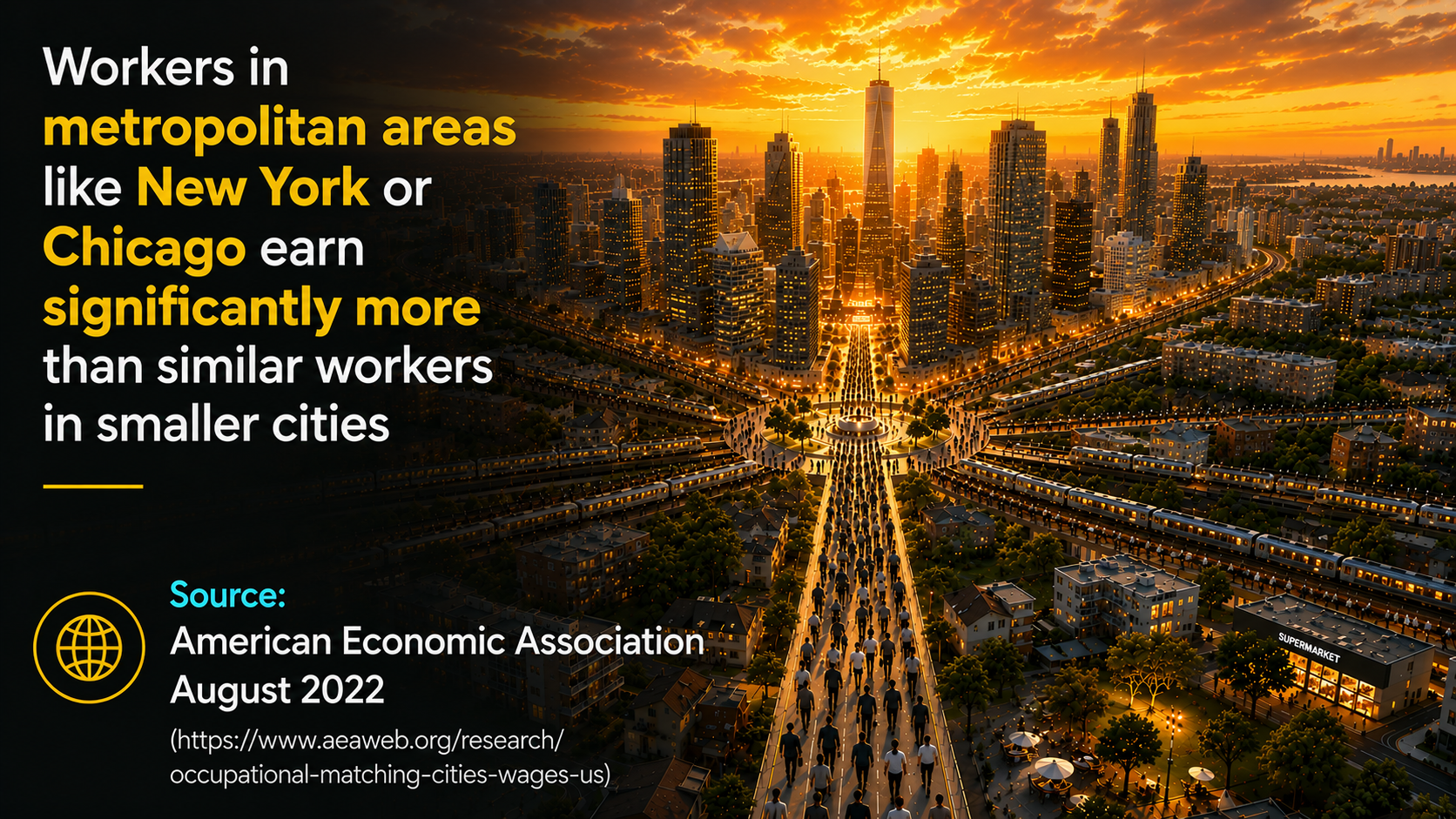
If you wanted access to professional opportunities, you generally needed to locate yourself near them.
But remote work has introduced a new possibility: participating in the global economy without inheriting every condition of the place your employer is based. It’s the ability to leverage geographic freedom to not just minimise taxes, but to build a life where an ordinary Tuesday feels much more to your liking.
In this article, we explore how people can use the geographic freedom of remote work to begin deliberately shaping the quality of their ordinary days.
Designing life more deliberately

For generations, people were generally encouraged by their parents and schools to find stable, respectable work, then build their lives around it wherever it was located. But location independence provides the opportunity to instead shape life around questions like:
- Which environment will put a smile on my face when I wake up?
- Which everyday environments reduce the things I find stressful, like traffic, noise, or even social obligations that no longer align with the life I want to build?
- Which environments best lend themselves to my hobbies and interests?
- Which places support the relationships I care about?
- Which time zones allow me to work most effectively?
- Which countries allow me to keep more of what I earn?
- What level of mobility (like access to airports) do I need?
But many people never reach this stage because they still unconsciously treat their employer’s location as the centre of their life.
When ordinary life starts feeling different

Here’s what life looks like for Person A - a talented software engineer who optimises her life for salary
She lives in London, earning a strong software-engineering salary of roughly £7,000 per month before tax. But after taxes, her take-home pay ends up around £4,700.
Then, renting a one-bedroom apartment can easily cost over £2,000 per month, leaving her with approximately £2,700 left.
Her weeks also follow a rhythm. She is expected at work between 9:00 a.m. and 5:30 p.m., so she commutes during peak traffic. Her weekday evenings are about “winding down from the day”, and realistically, the idea of inviting friends for dinner mid-week tends to feel more like “adding to the plate” rather than something to look forward to.
She sees weekends as for doing “what she wants to do” rather than “what she needs to do”. In conjunction, to make sure she always has something to look forward to, she arranges leave with her employer every few months to create four-day weekends in which she flies to sunnier parts of Europe.
What’s interesting is that Person A’s engineering work is done from her laptop. She already possesses the technological conditions for much greater flexibility, but continues inheriting a lifestyle structure designed around physical proximity to work.
Here’s what life looks like for Person B - a software engineer optimising for recurring quality of life

She works remotely for the same London firm from Valletta, Malta. Even if her salary is slightly lower at £5,500 per month before tax, the overall picture changes significantly.
After structuring her residency and taxation more intentionally, her take-home pay remains surprisingly similar, while her housing costs drop dramatically.
Renting a one-bedroom apartment might cost closer to £1,250 per month, leaving her with £3,000 remaining (£300 more than Person A).
Her weekdays and weekends aren’t so structurally different from each other. She might have some meetings during classic working hours, but she isn’t strictly bound to be at her desk by 9:00 a.m. So after she wakes up, she decides whether she works from her apartment or enjoys walking to a local co-working space for the morning.
So long as she has no meetings scheduled, the hours around lunchtime involve either walking to a gym to exercise or meeting a friend to eat.
The flexibility of her weekdays means her workload creeps into her weekends about half the time, requiring an hour or two to keep everything in order. With that in mind, it makes no difference whether she does this from Valletta or another country entirely.
Her life isn’t designed around the idea of “work hard and then take time for yourself every few months”. It’s designed around making ordinary Tuesdays feel good.
The important thing here is that Person B didn’t find “the perfect country”. Instead, she began deliberately evaluating her options rather than automatically inheriting the conditions of her employment location.
While that level of choice can initially feel overwhelming, the beauty of living in 2026 is that we’ve just entered a time where technology makes it much easier to research and evaluate the options in front of us.
Technology has changed lifestyle research
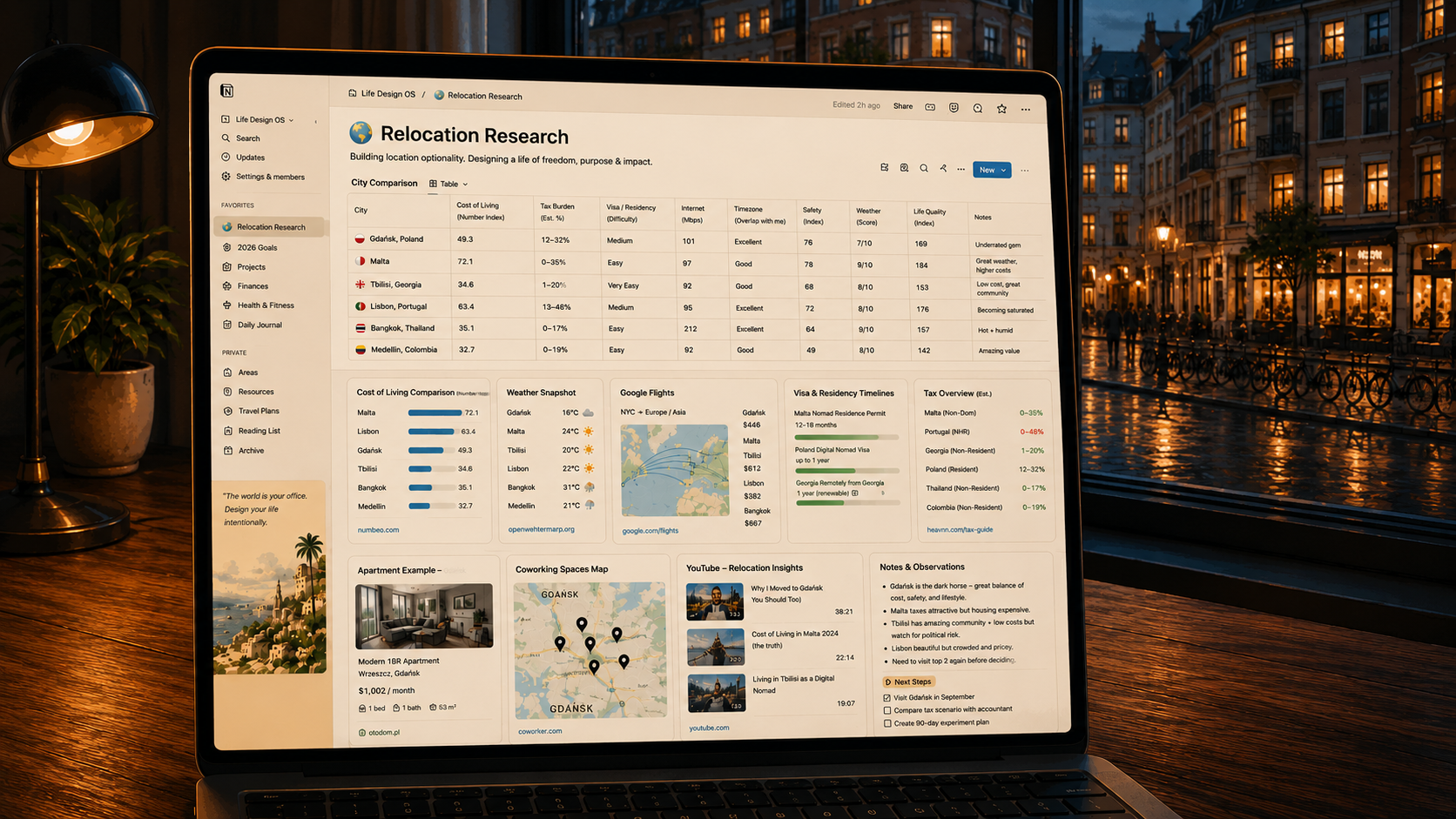
Whether you’re an aspiring location-independent worker or an experienced one reevaluating their options, there are many tools at hand for making sense of the global landscape:
- To figure out the lifestyle conditions and atmosphere of an area you’re considering, you can use neighbourhood walkthroughs and “day in the life” videos on YouTube
- To best understand the ideal locations for legally minimising your taxes, you can use Heavnn
- For learning the cost of living in different locations, there’s Numbeo
The opportunity hidden in remote work
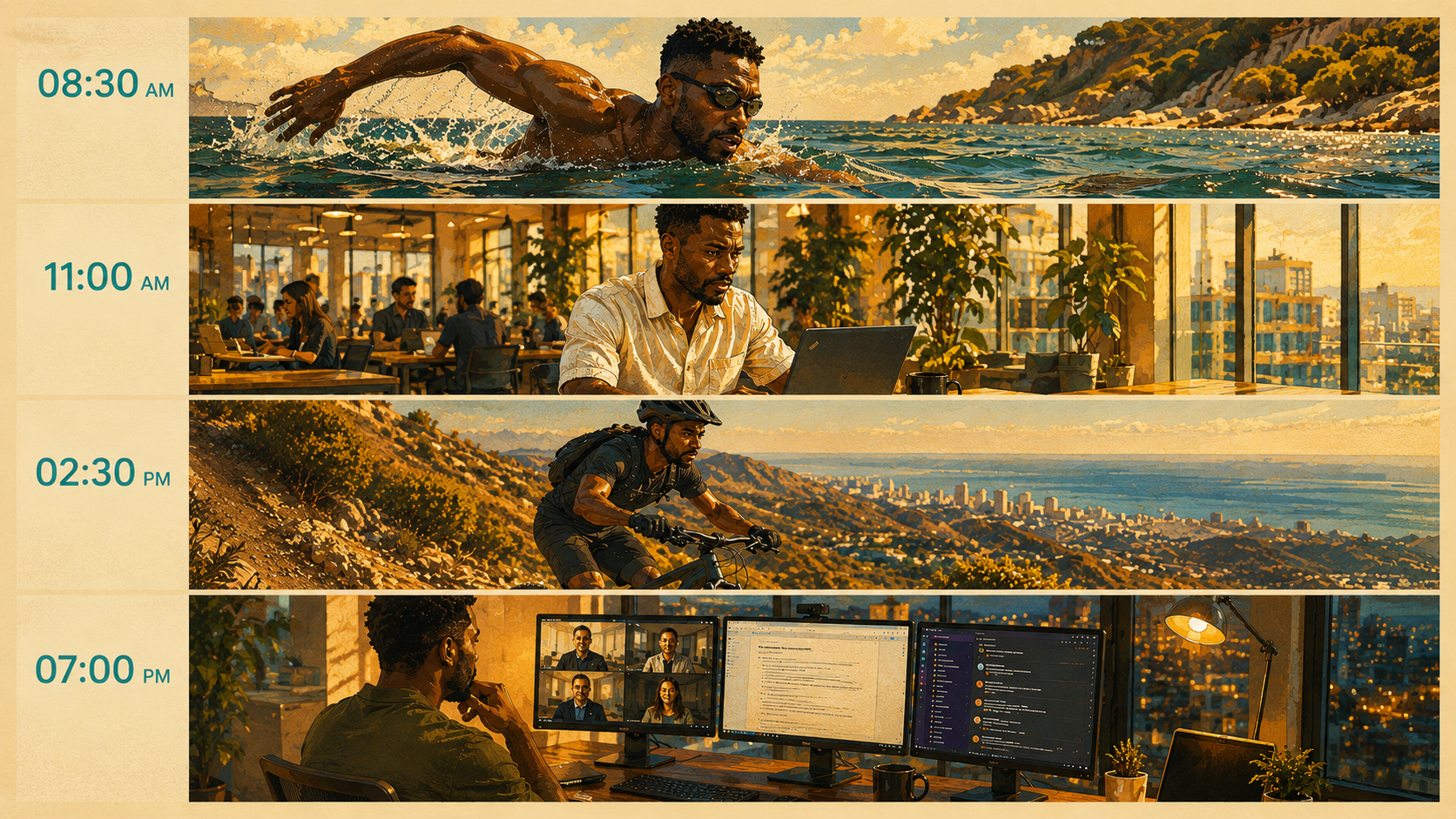
The term “remote work” means much more than choosing whether or not you’ll head into the office tomorrow morning. It’s the power to deliberately shape many elements of your life in order to create a daily experience closer to your personal vision.
Despite the incredible range of lifestyle options our world offers, many people still choose to locate themselves based on proximity to family or classic in-person career opportunities, and that’s totally fine. And for those seeking more choice, it’s important to remember that every country comes with its trade-offs. The right match is not the objective “best country”, but the place that offers the best balance for where you are in life right now.
The one undeniable fact is that most people have more control and autonomy over their lives than ever before. Are you making full use of your freedom?
We’re Heavnn. We help location-independent workers and companies legally minimise their taxes and maximise their freedom. See you next time!


