


More than 100 countries have beautiful landscapes, internet connections, and reasonable prices. …so you’d have to lack personality to be yet another digital nomad heading off to Mexico, Bali, Portugal, or Thailand, right? Well, we’re going to show you that there’s more here than meets the eye. A small number of countries truly have optimised themselves for remote workers.
But what exactly led these lucky few countries to get a head start on the others? And how have they transformed in the five years since nomads started spending their money there? And finally, how do they compare to the new generation of nomad hotspots - countries like Costa Rica, Colombia, Georgia, Vietnam, and the Philippines?
Let’s find out.
We’ll begin with what started the boom
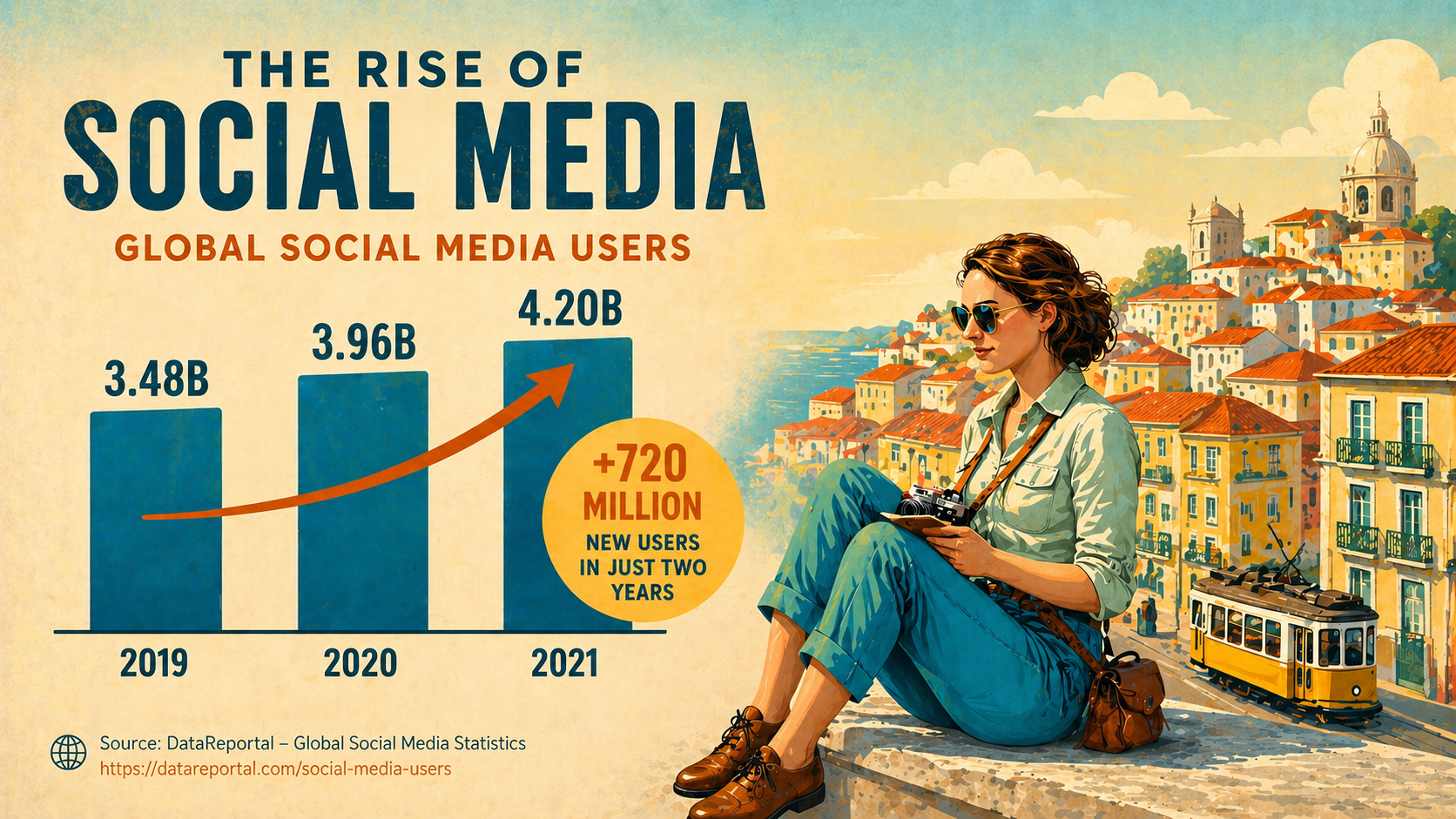
Between 2019 and ‘21, two global phenomena converged. Firstly, travel vlogging on YouTube and Instagram really took off. It showcased the freedom and surprising affordability of working from a laptop around the world.

At the same time, pandemic lockdowns in 2020 had unique impacts:
- Remote work was suddenly normalised due to social distancing laws.
- Tourism was frozen, which incentivised countries to find new ways to attract international spending.
All of this combined to create people who were hungry for travel and countries that were hungry for new revenue. And at that very moment, a small number of cities found themselves in the perfect position.
Particular parts of Mexico, Bali, Portugal, and Thailand had already established themselves as leading tourist destinations. They sat in a unique Goldilocks zone that featured incredible landscapes and culture, alongside prices much lower than those in the Western world.
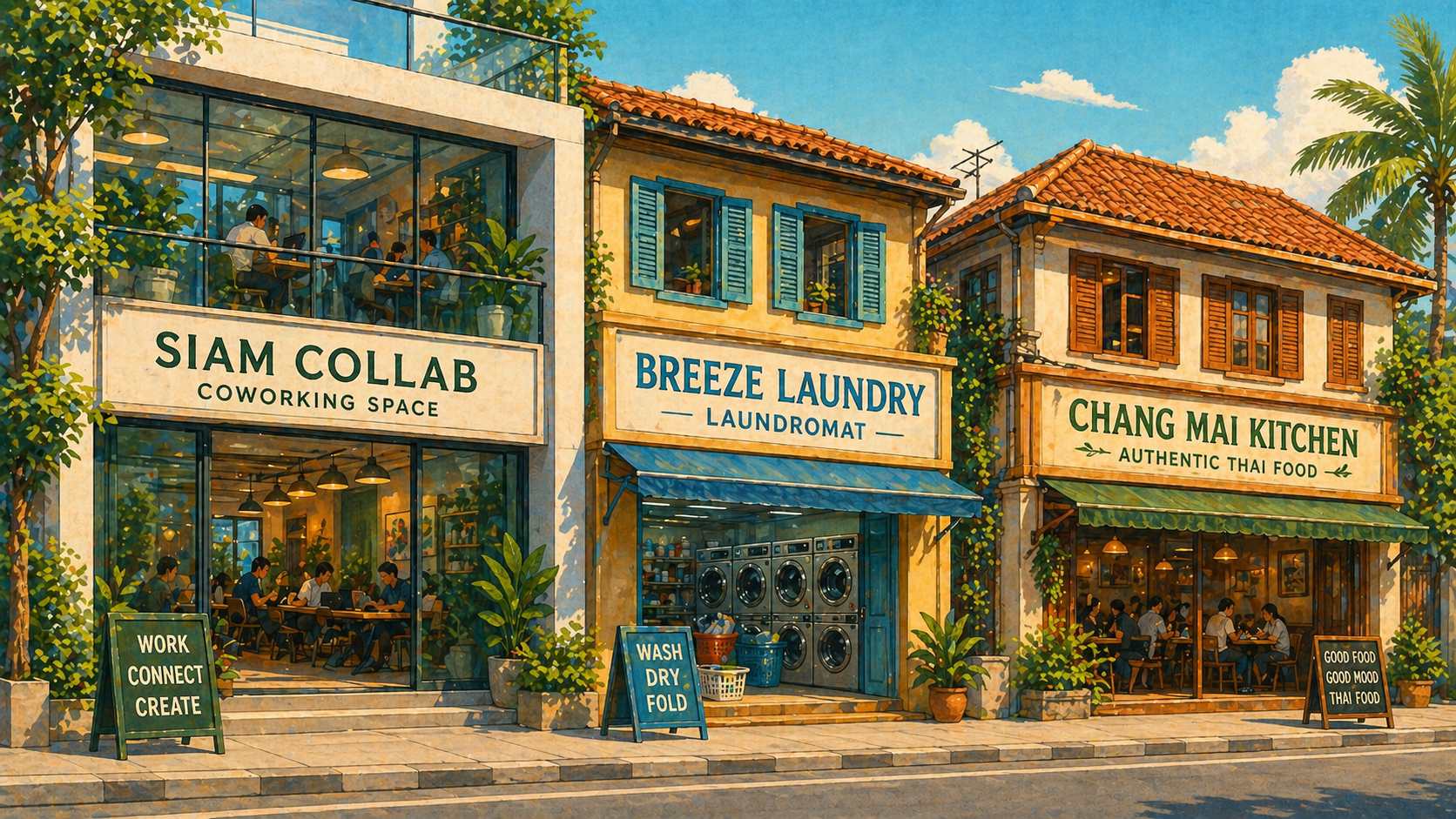
That meant they had:
- An abundance of accommodation designed for foreign tastes
- Power and internet infrastructure capable of handling population surges
- Local businesses adept at English
At the same time, their governments understood that allowing foreigners to work in a legal grey zone on tourist visas would allow offshore money to flow into their domestic businesses.
And so it began.
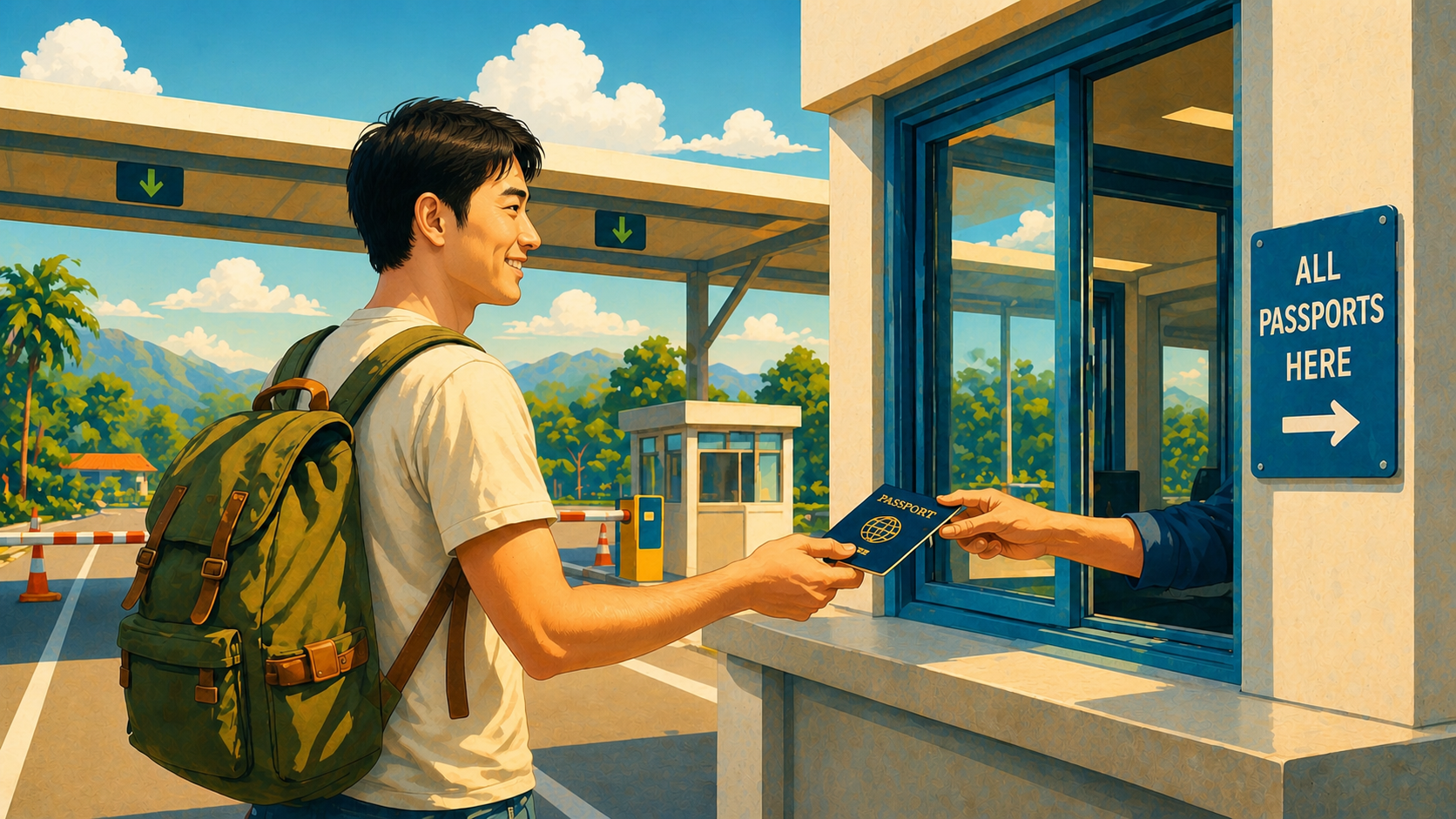
The initial result was chaotic. Nomads came in as tourists or on short-term business visas and extended their stays in-country by doing what are known as visa runs - maxing out their day counts before hopping over the border for as little as a few hours and coming back in with a reset visa.
The governments weren’t blind to it - social media revealed it all! But at the end of the day, foreign money was being injected into their local businesses, and Instagram posts were marketing their cities as must-visit destinations.
There was also another factor pulling in digital nomads:
Because each country featured lower living costs than they were used to, remote workers could experience a far higher standard of living. For people earning less than US$100k, maids, personal chefs and large houses became real options.
So, how has the situation evolved after five years?

In 2026, these countries feature a range of benefits hyper-optimised for remote workers:
- First, there are incredible network effects. The now-established communities of remote workers in Lisbon, Mexico City, Chang Mai, and Bali are made up of founders, developers, content creators and investors, allowing new arrivals to find future projects and business partners easily.
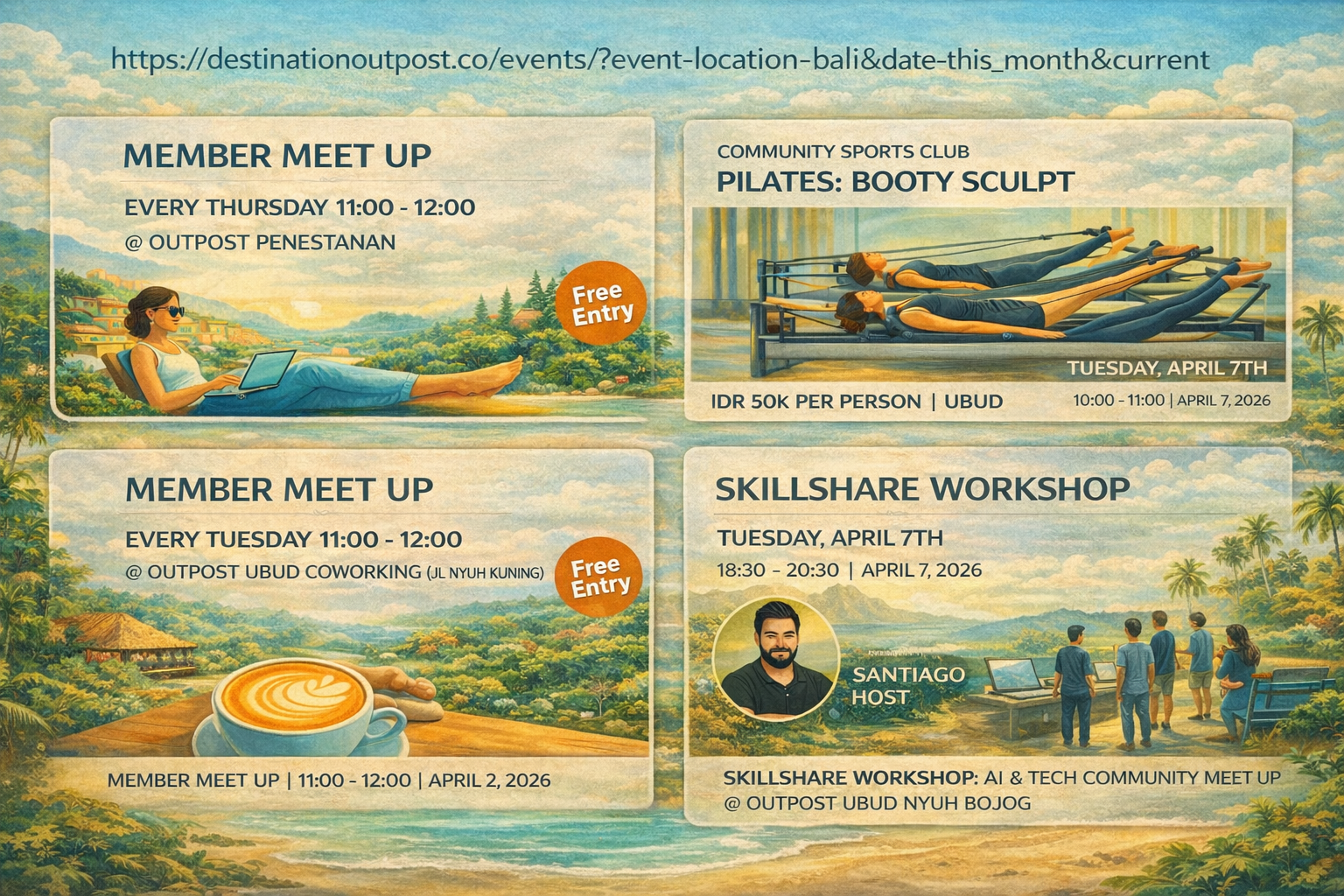
- Secondly, there’s the optimised infrastructure. There are regular events for digital nomads, accommodation options offering hybrid living/working spaces, and many, many coworking spots with powerful internet and dedicated meeting rooms. For professionals with serious responsibilities, this creates a plug-and-play type scenario that minimises the friction of adapting to a new environment.
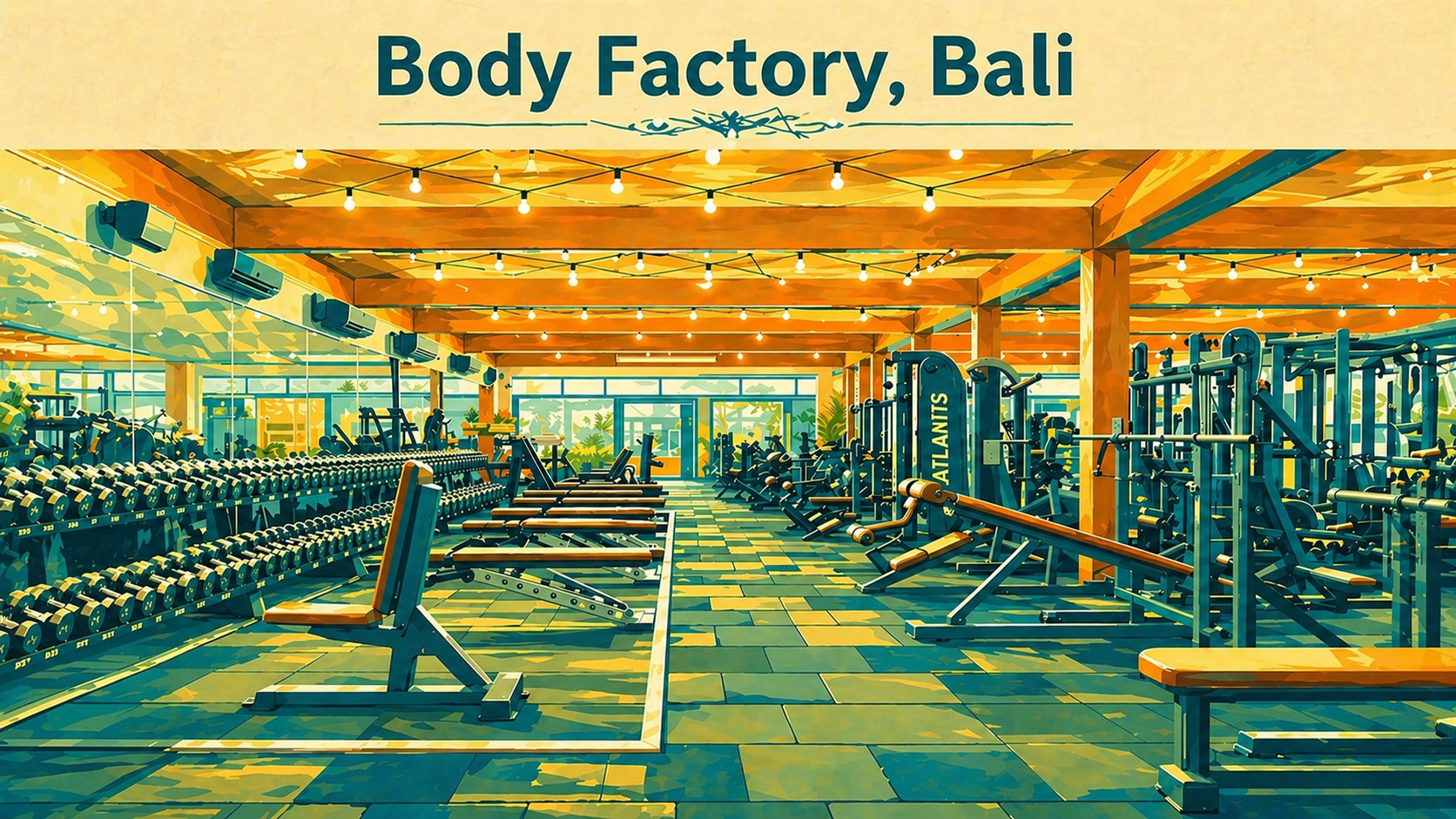
- But the infrastructure extends beyond professional services. These countries have learned that remote workers also look for many quality of life services - gyms, food delivery, laundry, and saunas and spas. The result is that you’ll find some of the world’s most well-equipped and well-thought-out gyms here, as well as an abundance of services to take care of chores and transportation.
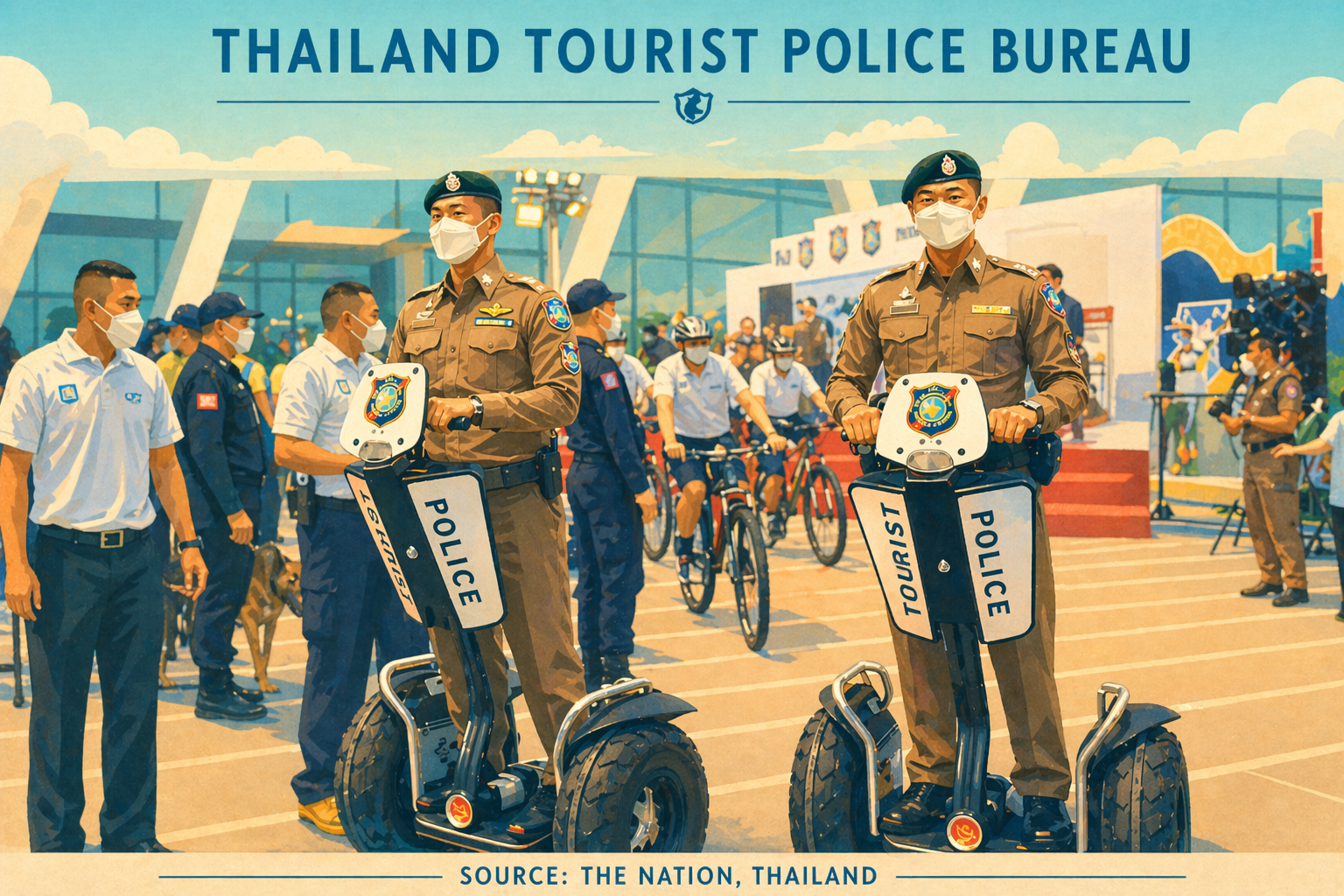
- Another very real development is the incentive for governments to protect their new cash cows. The last thing they want is for crime to put nomads on edge, so they’ve dramatically increased police presence in key locations. The most explicit example is Thailand’s Tourist Police Bureau.
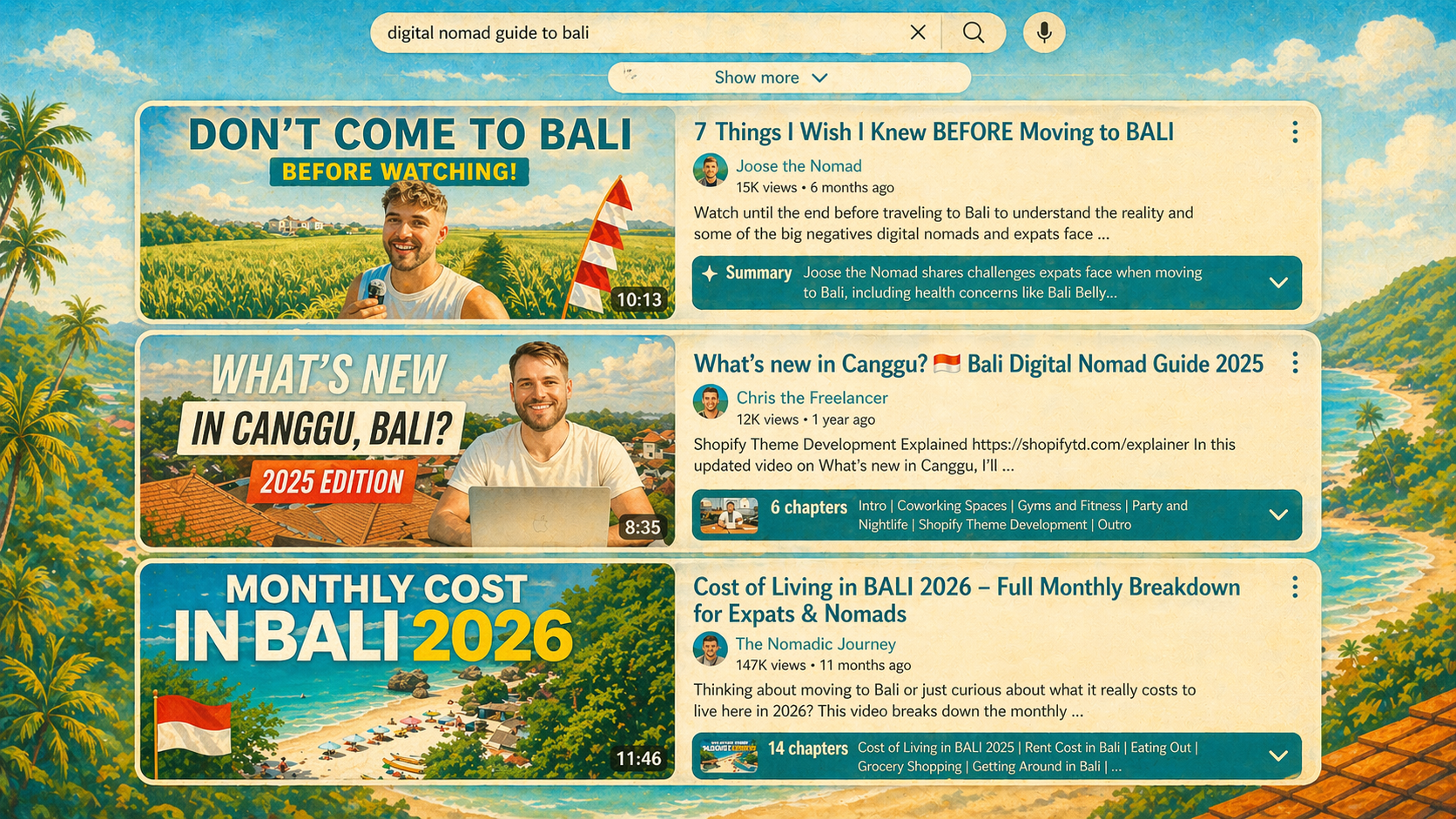
- Finally, five years of nomads’ experimentation and learning have given birth to an abundance of guides and helpful information. Before they’ve even left home, a totally new traveller can be confident that they’ll get on their feet in one piece.
However, there have also been other developments
- First, increased demand means increased prices. Since 2020, prices in nomad hubs across Portugal, Bali, Thailand, and Mexico have boomed. However, before you panic, keep in mind that these are still countries with cost-of-living figures dramatically lower than in the West!
- Secondly, intensive foreign interest comes with cultural homogenisation. Local businesses optimising their language, menus, and services for foreign tastes can be a turn-off for people hunting for culture. The good news is that in most nomad hotspots, a 15-minute drive is all it takes to reach more true-to-form towns.
- Finally, some governments, like Thailand’s, see the opportunity in taxing remote workers. In 2025, they updated their laws to at least partially tax offshore income. With that said, such measures are still offset by Thailand’s low cost of living. In addition, other countries aren’t necessarily following suit.
Now, by contrast, what does the latest generation of nomadic hotspots offer?
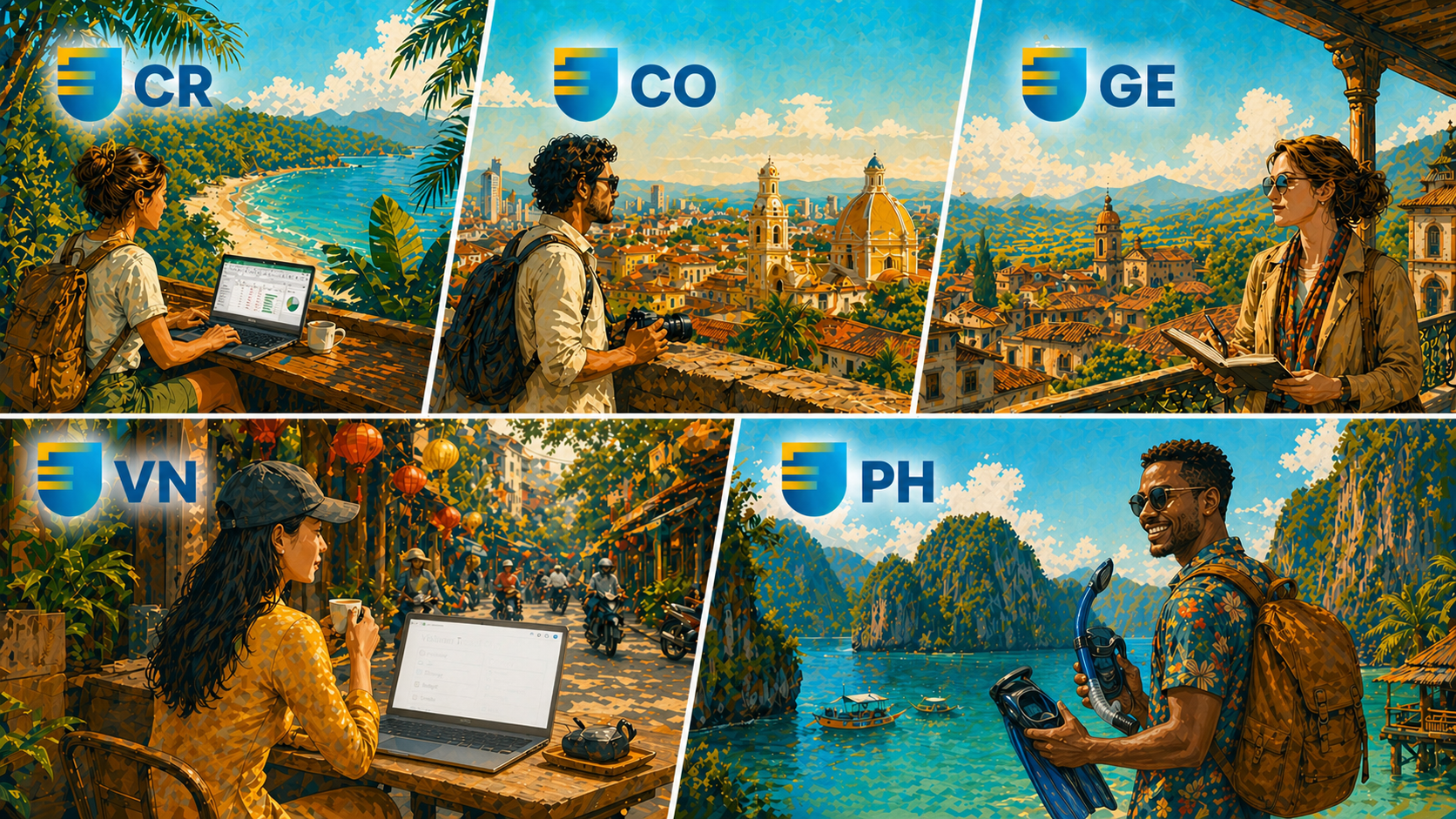
A combination of factors has countries like Costa Rica, Colombia, Georgia, Vietnam, and the Philippines trending as new remote-working destinations.
- These countries have now had the time to improve their infrastructure and English proficiency. At the same time, they feel comparatively untouched and haven’t seen the rising prices that come with intense foreign interest. That means it’s still absolutely possible to live for less than $1,000 per month while maintaining a great standard of living.
- Another often-overlooked benefit is the lower pressure on housing and road infrastructure relative to more popular destinations. Seasonally, it can be difficult to find the right accommodation in some nomad hotspots, and traffic congestion is a real part of life in places like Lisbon, Portugal and Canggu, Bali.
- Less foreign interest can also be nice. Fewer selfie sticks to dodge in the streets, and fewer burger, pizza, and ice cream shops. You can expect accommodation to reflect local preferences and styles, and restaurants still catering to local taste buds.
With that said, less development has its drawbacks

Power grids can be prone to brownouts (temporary power outages), and internet connections can be spotty. The good news is that in a pinch, these can often be mitigated with a power bank and a hotspot connection from your phone.
If you’re a creative who does most of your work asynchronously in your own time, outages might not be a big deal at all. Similarly, you might not be bothered by them if you work with a small team and clients who know you well. By contrast, if you’re pitching to new investors and feel your peace of mind might be threatened by potential interruptions, a country with mature infrastructure might make a lot more sense.
To wrap up
The most important question for everyone is “What countries am I most excited about visiting?” Ultimately, that passion leads us to the right places, and this information is best seen as helpful food for thought, rather than the ultimate decider of which places are good or bad.
We’re Heavnn. We help location-independent workers and companies legally minimise their taxes and maximise their freedom. See you next time!


